Inflation and Purchasing Power: 3 Ways Consumers Are Adapting in 2026

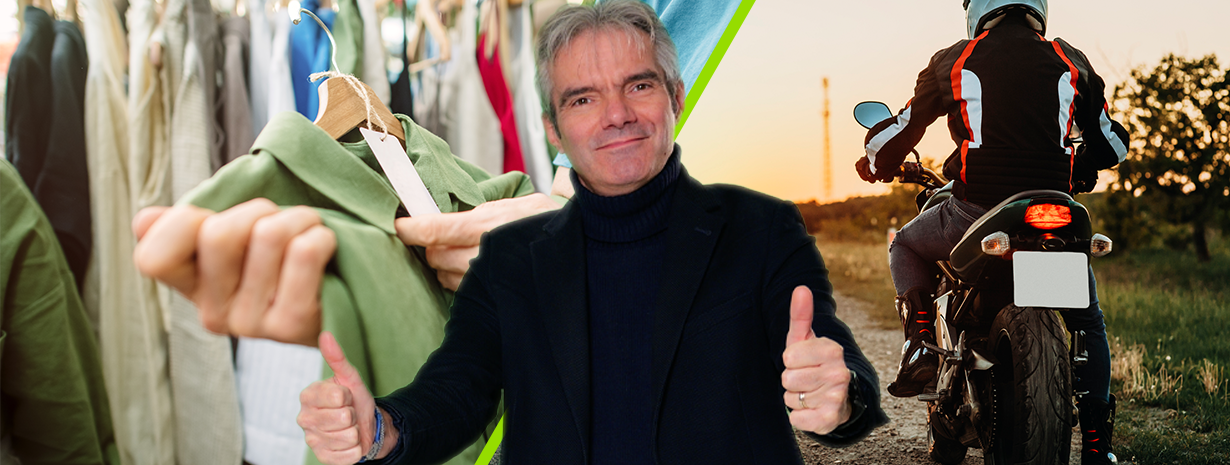
As inflation has started rising again, exceeding 3% in September, consumers’ purchasing power remains under pressure. To cope with this economic environment, households are adapting their habits: cutting back on certain expenses, turning to second-hand products and waiting for promotional periods to get the best deals. In his latest Minute consommation, Flavien Neuvy, economist at the Observatoire Cetelem, explores these three key trends.
Budget trade-offs: cutting back and prioritising spending
As prices continue to rise, consumers are reassessing their priorities and making trade-offs in their spending. Some are giving up certain purchases, while others are reducing their consumption to protect their budgets.
The energy and transport sectors are particularly affected. Fuel consumption has fallen by 6% since the beginning of the year. Motorists are adapting their travel habits, driving less or trying to use less fuel to save money.
The rise of second-hand shopping: an economic and circular solution
The second-hand market is no longer just an environmental trend; it has also become an economic necessity. Buying second-hand allows consumers to purchase what they need without paying the full price of new products.
Reselling also plays an important role: more and more consumers are giving a second life to items they no longer use, generating extra income to supplement their budgets. Second-hand shopping is therefore becoming a way to adapt consumption habits to economic constraints.
Black Friday and promotions: why are consumers waiting for the best deals?
The retail calendar, including sales, Black Friday and flash sales, is becoming central to consumers’ purchasing strategies. Consumers are increasingly postponing their purchases to make the most of their purchasing power.
As Black Friday approaches in November, this strategy becomes particularly relevant. Consumers are adopting a more opportunistic approach: comparing prices, planning their purchases and waiting for promotions to protect their purchasing power.
Find out more
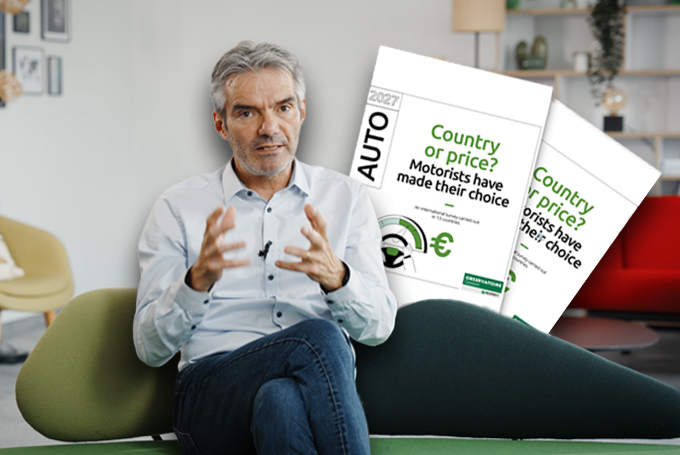
Discover the latest consumer study by the Observatoire Cetelem to explore changing consumption patterns and household behaviour in greater depth.
Stay tuned: a new study on consumer trends will be published in the coming months!
FAQ: Inflation and purchasing power
How are consumers adapting to inflation?
According to economist Flavien Neuvy, households are adopting three main strategies to cope with rising prices: cutting back significantly on certain expenses, increasingly turning to the second-hand market and strategically planning their purchases around promotional periods.
Why is the second-hand market growing?
The Observatoire Cetelem highlights two key economic benefits of second-hand shopping: it provides access to quality products at prices significantly lower than new ones, while reselling unused items generates additional income to support household budgets.
What role does Black Friday play in consumers’ purchasing habits?
Postponing purchases until Black Friday reflects a growing need to make the most of promotional opportunities. Consumers are no longer simply looking for a good deal; they are increasingly planning their purchases around periods when prices are more attractive. This behaviour highlights how purchasing decisions are now influenced by timing and price opportunities rather than immediate needs alone.
What does this tell us about household resilience in the face of inflation?
Current trends show that consumers are becoming increasingly adaptable in the way they manage their spending. Resilience does not necessarily come from higher incomes, but from making smarter purchasing decisions, whether through second-hand shopping, promotions or reducing overall consumption. Every purchase is increasingly assessed in terms of its cost and usefulness.
Key takeaways
As inflation puts increasing pressure on purchasing power, three consumer strategies are emerging: cutting back on certain expenses, choosing second-hand products and waiting for promotional periods. These behaviours illustrate how consumers are adapting their habits to an uncertain economic environment.